Reading Time: 11 Minutes
| By Arrow | July 7, 2025 |
What Was the Battle of Hoàng Sa?
The Battle of Hoàng Sa (known as the “Paracel Islands” in English) was a brief but significant military clash between South Vietnam (Republic of Vietnam) and Communist China (People’s Republic of China) on January 19, 1974.
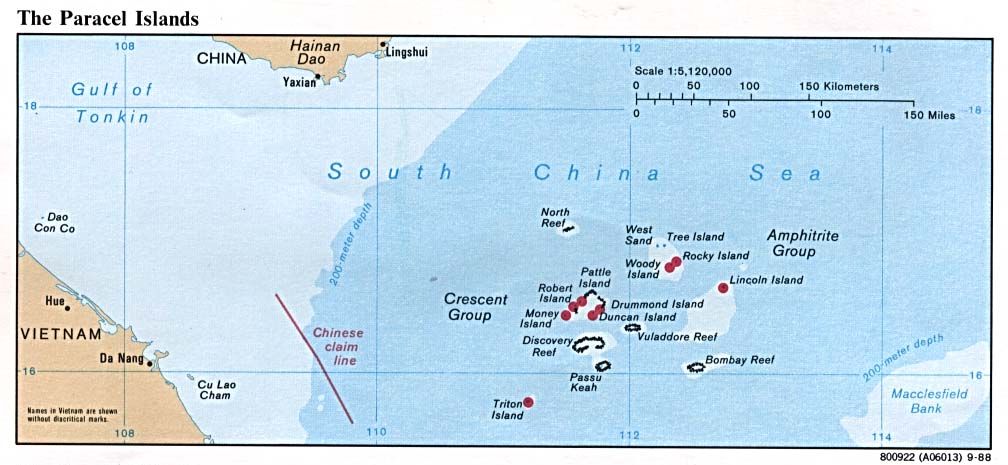
While South Vietnam lost the battle, the confrontation left a legacy that resonates to this day. Because South Vietnam fought, history knows that Hoàng Sa belonged to Vietnam before China took it.
As such, the people of Vietnam today—and even the Communist government of the Socialist Republic of Vietnam—rely on that battle to stake claim to the Hoàng Sa islands and condemn China for its theft and occupation.
How Did It Start?
While the battle itself occurred on January 19, tensions were building as early as January 11. On that day, the South Vietnamese government received reports that China was conducting activities on several of South Vietnam’s islands in the Hoàng Sa archipelago (Carl O. Schuster, April 19, 2017).
The Republic of Vietnam Navy (South Vietnamese Navy) sent ships to investigate between January 13 and 16, discovering that Chinese “fishermen,” armed and under the command of China’s People’s Liberation Army Navy (PLAN), had taken over the islands and planted Chinese flags.
Also present were Chinese warships, including armored trawlers and two Kronshtadt-class submarine chasers, among other vessels and personnel (Nguyen Thai Hoc Foundation, January 5, 2024).
South Vietnam commanded the Chinese to leave the area on January 16, following up with warning shots to show its seriousness. The navy then shelled and destroyed a Chinese fish-processing site and flags that had been set up days before.
On January 17, South Vietnam’s Navy SEALs landed on the islands and removed all the Chinese flags planted by the intruders.
Then, on January 18, South Vietnamese ships rammed a Chinese fishing trawler, forcing it to flee. Additional RVN ships arrived to support the initial response force (Schuster; NTHF).
The First Shots Fired
By the morning of January 19, tensions were high. Both sides were on alert, and the stage was set for battle.
At 10:22 a.m., South Vietnam opened fire with combat maneuvers and an amphibious landing on islands where Chinese militia had set up base.
The Chinese, dug in, fortified, in larger numbers, and holding superior terrain, managed to ward off the Vietnamese SEALs, forcing the commandos to regroup.
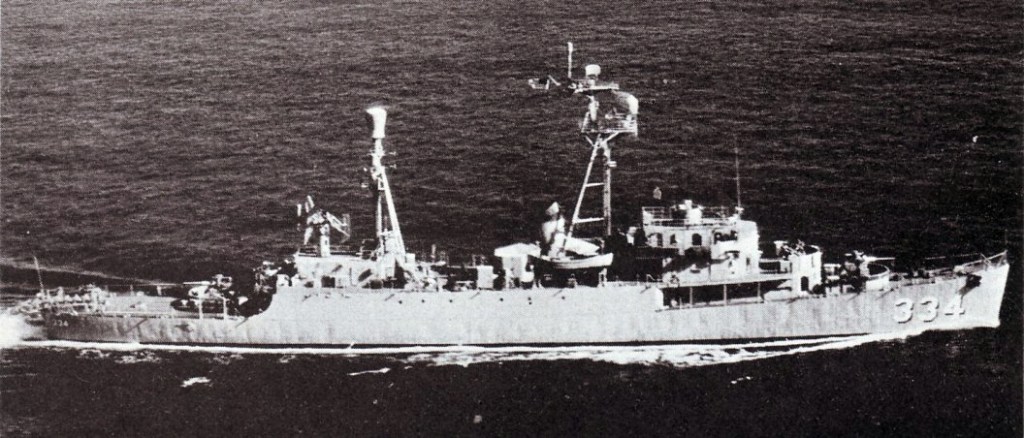
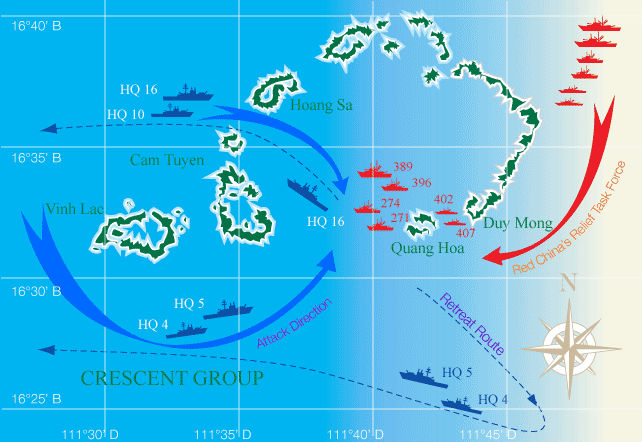
However, during the same maneuver, South Vietnam’s HQ-16 rammed China’s No. 389 ship, severely damaging it (Schuster; Toshi Yoshihara, 2016: 8).
The RVN ships then formed a battle line and opened fire on the Chinese. Targeting enemy bridges, their gunfire struck China’s No. 389 and No. 247 ships. Feng Songbai, the political commissar aboard No. 247, was killed instantly. Meanwhile, No. 389 caught fire, suffered critical damage, and began taking on water (Yoshihara: 8–9).
China Closes the Gap
South Vietnamese ships were larger and had superior long-range firepower—but there were only four of them. Worse, they were slow and less effective at short range.
Chinese ships, while smaller and weaker, were faster and had a significant advantage in close-quarters combat.
After the initial blow from the RVN, the PLAN rushed forward, trying to close the gap. Unfortunately for South Vietnam, the Chinese advanced faster than the Vietnamese ships could back away. Within 10 minutes, the distance shrank from 2–3 miles to several hundred yards (Schuster).
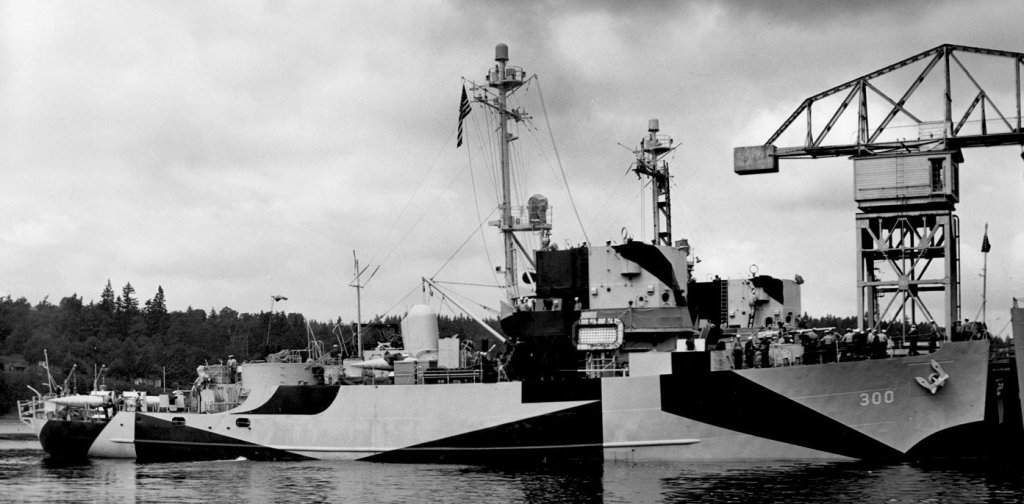
At close range, the Chinese targeted RVN communication gear, radars, and command posts to blind and deafen their enemy. In the ensuing exchange, both sides inflicted heavy damage—but China’s tactic of turning a gunfight into a knife fight gave them the edge (Yoshihara: 9).
Even so, in the initial 4-on-4 fight, neither side had yet won. China’s No. 389 was so heavily damaged that it had to be beached on Duncan Island. Two Chinese ships escorted it there as it limped along, still on fire and at risk of exploding the whole way (ibid).
Chinese Reinforcements Break the Stalemate
By noon, however, China sent two additional battleships as reinforcements. This additional force was the deciding factor, overwhelming the spent South Vietnamese forces and forcing three of the RVN vessels to retreat (Schuster; Yoshihara: 9).
HQ-4, HQ-5, and HQ-16 fell back westward, toward the Crescent Group of islands. Though the Chinese did not pursue them, South Vietnam was unable to launch a counterattack.
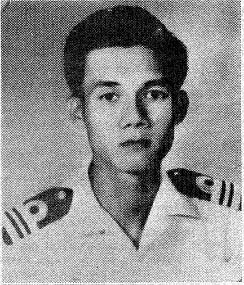
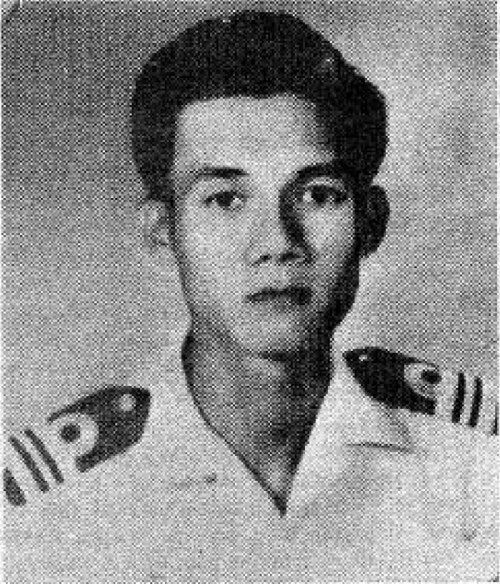
HQ-10, too damaged to flee, was left behind. Its captain, Lt. Colonel Ngụy Văn Thà, ordered his sailors to evacuate without him. Chinese ships Nos. 281 and 282 attacked HQ-10 three times. As the ship sank, the South Vietnamese captain went down with it (NTHF).
That afternoon, the fighting ended, but a small group of South Vietnamese troops remained on the islands in a last-stand defense.
China Fortifies and Sends Even More Troops
Seizing the opportunity and fearing an RVN counterattack, China sent wave after wave of reinforcements throughout the day to capture and fortify the islands. Dozens of ships and over 500 troops were deployed (Yoshihara: 10).
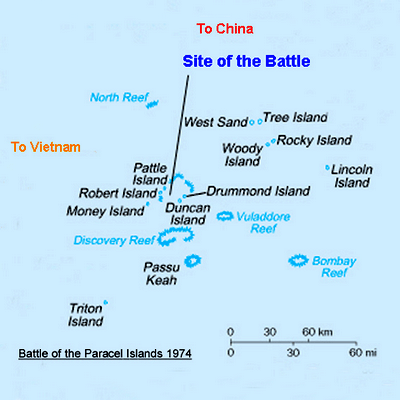
On January 20, Chinese troops attacked the last South Vietnamese defenders. After an hour of fighting, the 30 defenders on Pattle Island were surrounded and captured. Meanwhile, a few SEALs on Money Island evaded capture for several days.
In the end, 48 South Vietnamese soldiers and one American advisor were taken prisoner and eventually released via the Red Cross in Hong Kong (Schuster; NTHF).
The Final Numbers
By the end of January 20, up to 75 South Vietnamese soldiers had been killed—57 of those deaths happened on January 19 alone. Dozens more were wounded over those two days, bringing total casualties (killed and wounded) to over 100 (NTHF; Radio Free Asia, January 22, 2024).
China claims only 18 dead and 67 wounded. It also insists that no Chinese ships were sunk, downplaying the near-total loss of the No. 389 ship, which had to beach on Duncan Island and almost exploded en route.
Three other PLAN ships were also heavily damaged and failed to achieve their objectives before reinforcements arrived.
Still, China took the islands—and controls them to this day.
Why Does It Matter?
Besides being another example of brave South Vietnamese soldiers defending their country, giving their lives, and busting every myth self-serving liberals have made about South Vietnam for decades, this battle shows that the Republic of Vietnam was more than willing to go to war with China.
Moreover, the fact that the battle happened left undeniable evidence that the Paracel Islands belonged to Vietnam. Whatever challenges China’s claim today rests on the Battle of Hoàng Sa and the South Vietnamese soldiers who fought it.
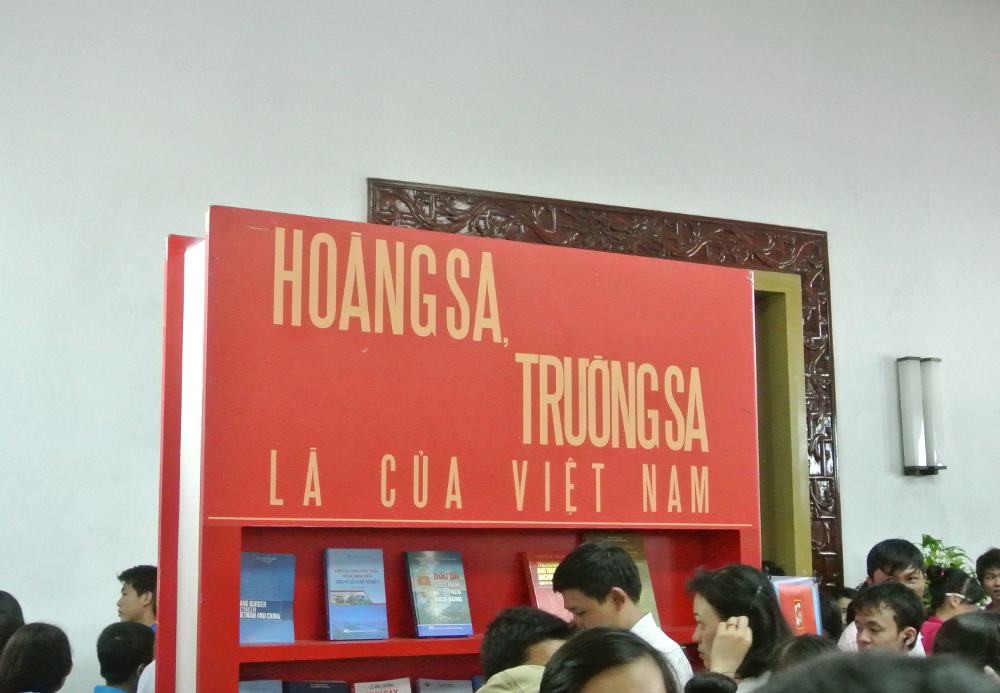
Even the Communist Party of Vietnam leans on this legacy. Though usually too afraid to confront China openly—and too ashamed to credit South Vietnam—they still cite this battle quietly, and sometimes even explicitly (Christelle Nguyen, January 19, 2024; Khang Vu, January 24, 2024; RFA).
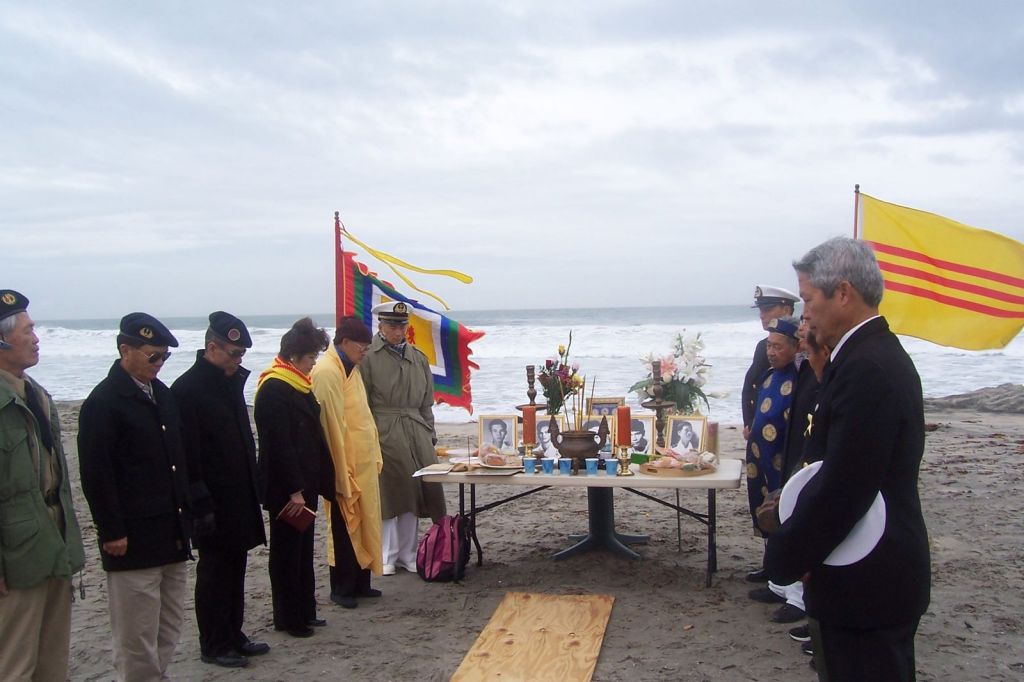
And the Vietnamese people inside Vietnam? They unapologetically remember the Republic of Vietnam and the Battle of Hoàng Sa.
Just look at these two photos:
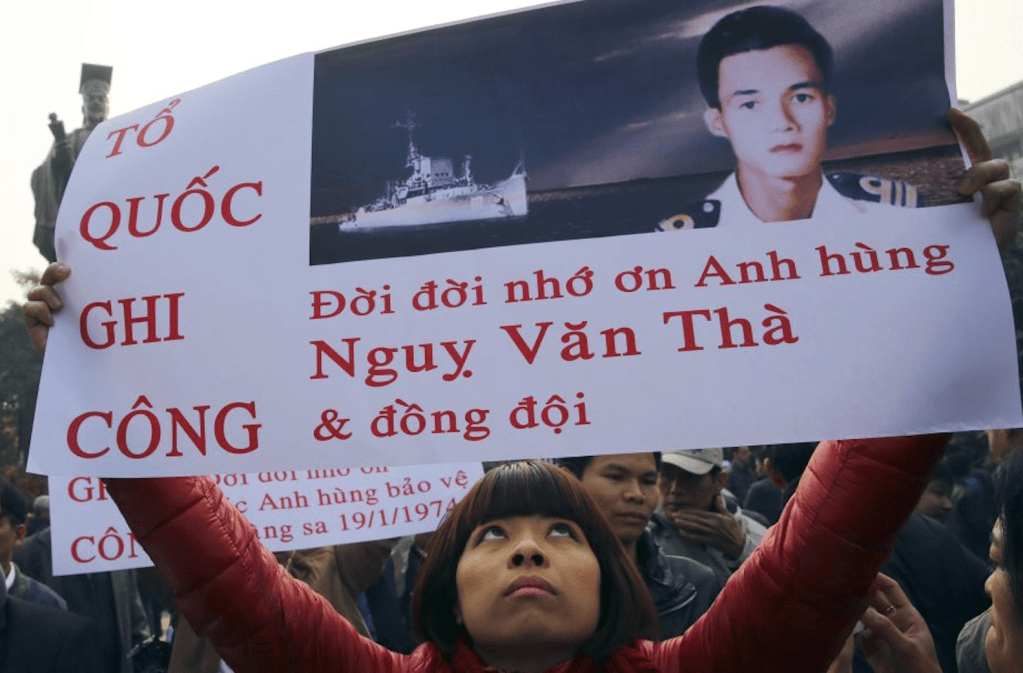
The woman in the first photo carries the message:
Tổ quốc ghi công
Đời đời nhớ ơn Anh hùng Ngụy. Văn Thà & đồng đội.
Which translates to:
The Fatherland remembers your sacrifice.
Eternal gratitude to Hero Ngụy Văn Thà and his brothers-in-arms.
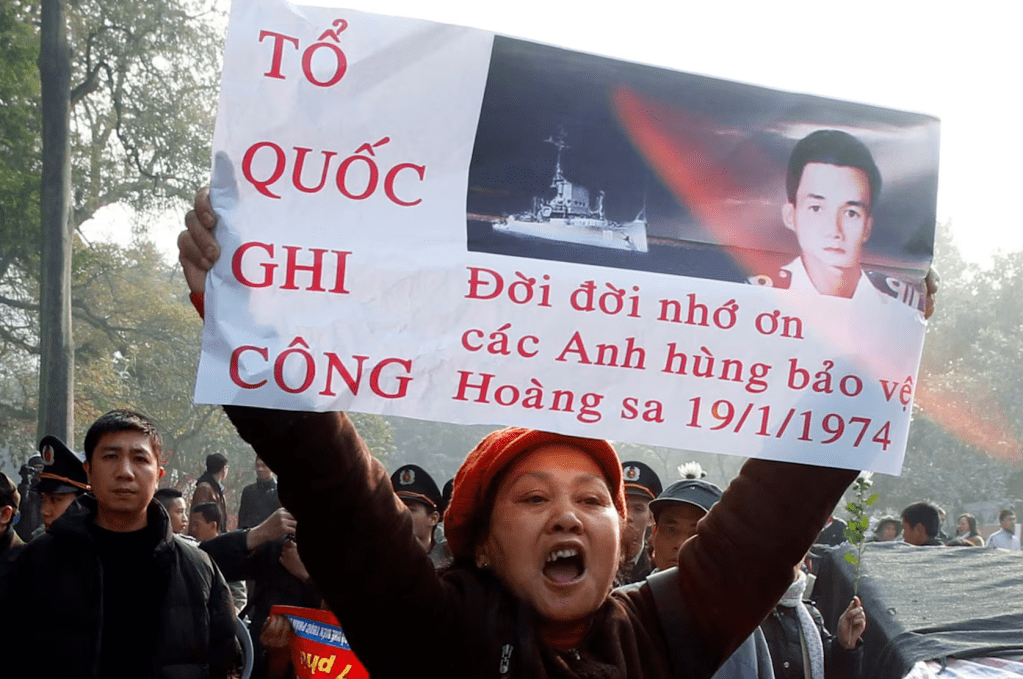
The woman in the second photo carries a similar, slightly varied message:
Tổ quốc ghi công
Đời đời nhớ ơn các Anh hùng bảo vệ Hoàng Sa 19/1/1974
Which translates to:
The Fatherland remembers your sacrifice.
Eternal gratitude to the heroes who defended Hoàng Sa – January 19, 1974.
These photos were taken on January 19, 2014, inside Vietnam — during a protest marking the 40th anniversary of China’s occupation of Hoàng Sa.
In short: when the people of Vietnam today stand up for sovereignty, they look to South Vietnam and the heroes of Hoàng Sa. The brave choices made by those soldiers over 50 years ago—under fire, in chaos—still echo to this day.
China Was Shaken
As if that wasn’t badass enough, consider this:
China was completely shaken by South Vietnam’s initial strike at Hoàng Sa.
According to the U.S. Naval War College, China was militarily panicked and caught off guard by the Republic of Vietnam’s bold move to assert control over the islands. Reeling from dysfunction during the Cultural Revolution, the PLAN scrambled to respond.
Their forces were undermanned, undermaintained, and thrown together in desperation. China rushed second-tier vessels, militia, and even civilian fishing boats into battle in a last-minute effort to counter South Vietnam’s presence.
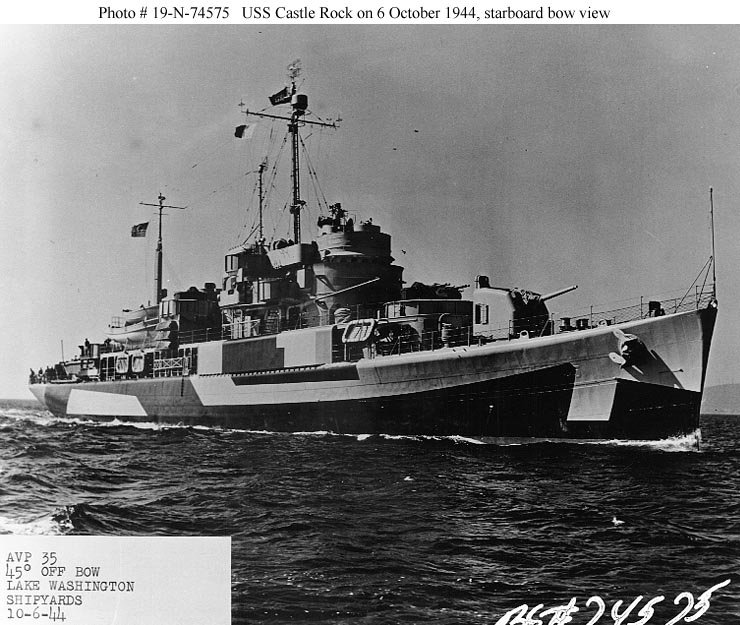
After the battle, China remained on high alert, terrified that South Vietnam would return. That fear explains the massive but disorganized reinforcements they rushed to the islands afterward (Schuster: Yoshihara: 11).
President Nguyễn Văn Thiệu of South Vietnam vowed retaliation. He prepared ships at Đà Nẵng, issued preliminary orders to sail, and alerted all ground, naval, and air forces to prepare for war. He even considered ordering an airstrike on Chinese positions at Hoàng Sa (Yoshihara: 10).
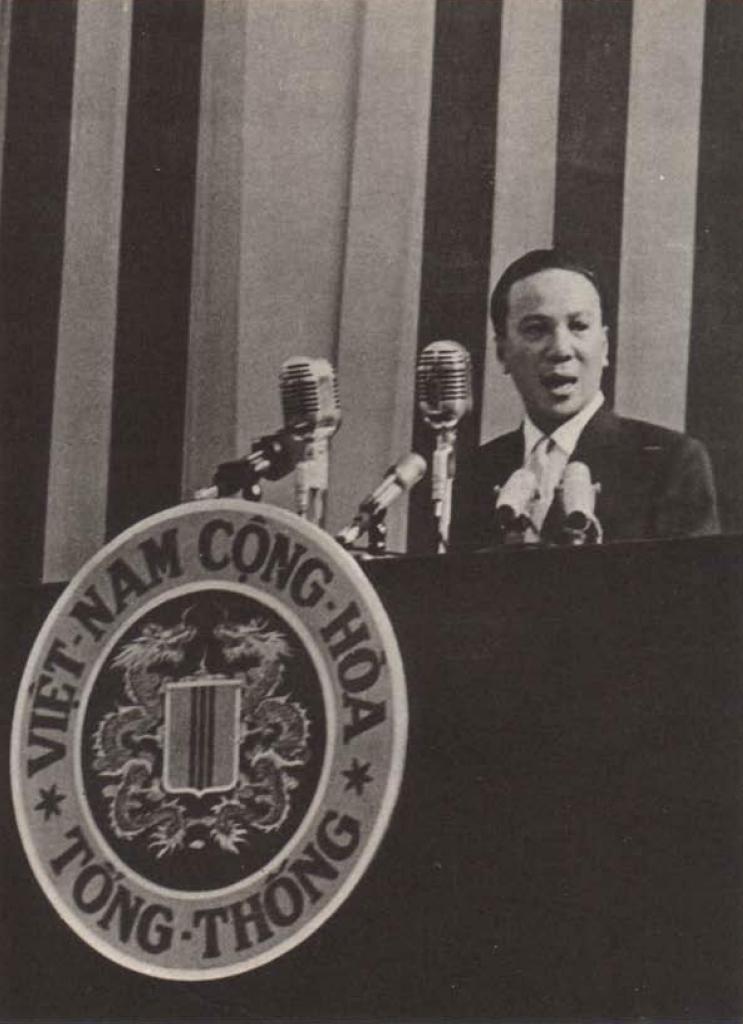
But with the mainland war against North Vietnam intensifying, he decided not to attack Hoàng Sa at that time.
Even if the heroes lost this battle, the consequences of their actions still matter—for our history, and for Vietnam’s sovereignty today.
As I’ve said before: this is proud history. This is badass history. And this is our history.
And so, we must remember.
Patriots’ Day
That’s why we’re trying to make Patriots’ Day happen.
There is so much courage, honor, and beauty in South Vietnam’s history—yet tragically, many of us don’t know about it.
If we want to remember, we must choose to remember—intentionally, purposefully, and without apology.
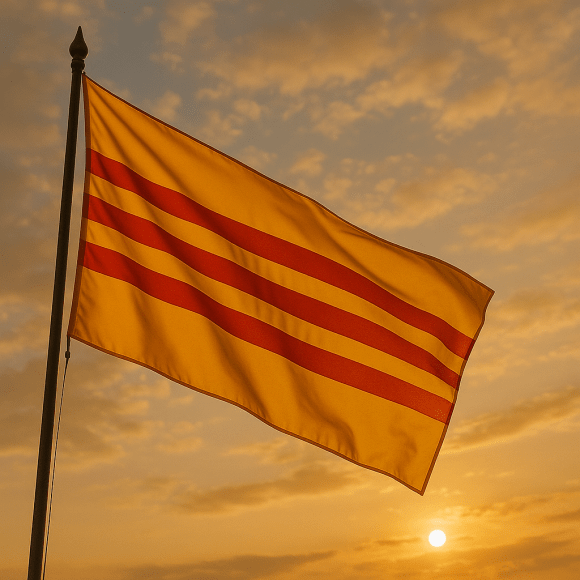
So today, July 7, 2025, we honor the heroes of Hoàng Sa, and countless other battlefields, and begin an annual tradition of remembrance.
To thank them—not only for their service and sacrifice, but for being the reason we live today.
And perhaps, the reason Vietnam may be free again tomorrow. And whole again—with all the lands and territories that rightfully belong to her.
Năm sau ở Sài Gòn.
Fair Use Notice:
This blog is a nonprofit, volunteer-run platform dedicated to historical education and commentary. Images used on this site, including photographs owned by news agencies such as Reuters or AP, are included under fair use as outlined in Section 107 of the U.S. Copyright Act. They are used for educational, non-commercial, and transformative purposes, including commentary, analysis, and historical documentation.
If you are a copyright holder with a concern, we respect your rights and will promptly remove or credit the material as needed. Please feel free to reach out via the platform hosting this blog.
Sources
“Battle of the Paracel Islands.” Nguyen Thai Hoc Foundation, January 5, 2024. https://nguyenthaihocfoundations.org/2024/01/05/battle-of-the-paracel-islands/
Nguyen, Christelle. “Vietnam’s Paradox: Commemorating the Battle of the Paracels.” The Diplomat, January 19, 2024. https://thediplomat.com/2024/01/vietnams-paradox-commemorating-the-battle-of-the-paracels/
Schuster, Carl O. “Battle for the Paracel Islands.” HistoryNet, April 19, 2017. https://www.historynet.com/battle-paracel-islands/?r
“Vietnam denounces China’s occupation of islands in 1974.” Radio Free Asia, January 22, 2024. https://www.rfa.org/english/news/vietnam/condemnation-01222024110513.html
Vu, Khang. “Situating the Battle of the Paracel Islands in Modern Vietnam-China Relations.” The Diplomat, January 24, 2024. https://thediplomat.com/2024/01/situating-the-battle-of-the-paracel-islands-in-modern-vietnam-china-relations/
Yoshihara, Toshi. “The 1974 Paracels Sea Battle: A Campaign Appraisal,” (2016). Naval War College Review: Vol. 69: No. 2, Article 6. https://digital-commons.usnwc.edu/nwc-review/vol69/iss2/6/
 Freedom For Vietnam