Reading Time: 8 Minutes
| By Scribe | July 7, 2025 |
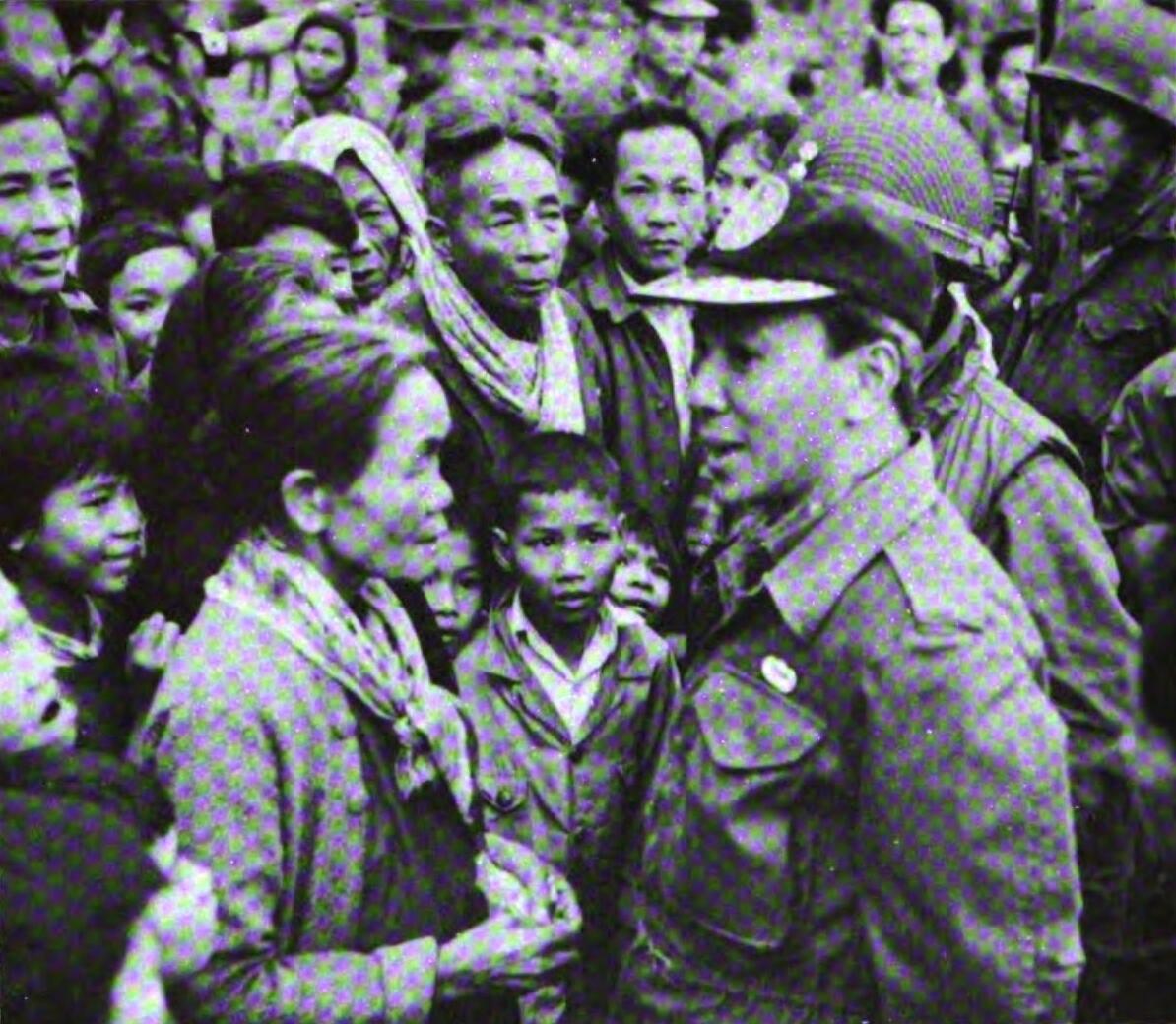
What Patriots’ Day Means to Me
As you all know, we are all working very hard to make South Vietnamese Patriots’ Day (or simply Patriots’ Day) an annual tradition. And, in all our different ways, we begin by expressing what Patriots’ Day means to each of us.
For me, it’s the knowledge, the history, and the documentation of the things we ought to remember.
So for Patriots’ Day, I present to you a proud and totally badass presentation on seven battlefield victories achieved by South Vietnam. Some battles you may know, while others may come as a big — but welcome — surprise.

Either way, we know these stories are underreported in Western history and media. So, it’s up to us to reclaim that narrative and restore our history.
That is what Patriots’ Day means to me.
I hope you enjoy — and for those who want to go deeper, there’s a further reading list at the end. Jump on the history train and help us build back our story.
Seven Great South Vietnamese Battlefield Victories
1. Battle of Gò Công (September 9, 1963)
Who won: Republic of Vietnam (ARVN)
ARVN losses: 22 killed, 28 wounded
Viet Cong losses: 83 killed
A Viet Cong force of around 200 launched a nighttime assault on three Civil Guard outposts near Gò Công, a town in the Mekong Delta. ARVN’s 7th Division countered with infantry and armored vehicles, crushing the ambush in open terrain with flanking maneuvers and armored charges.
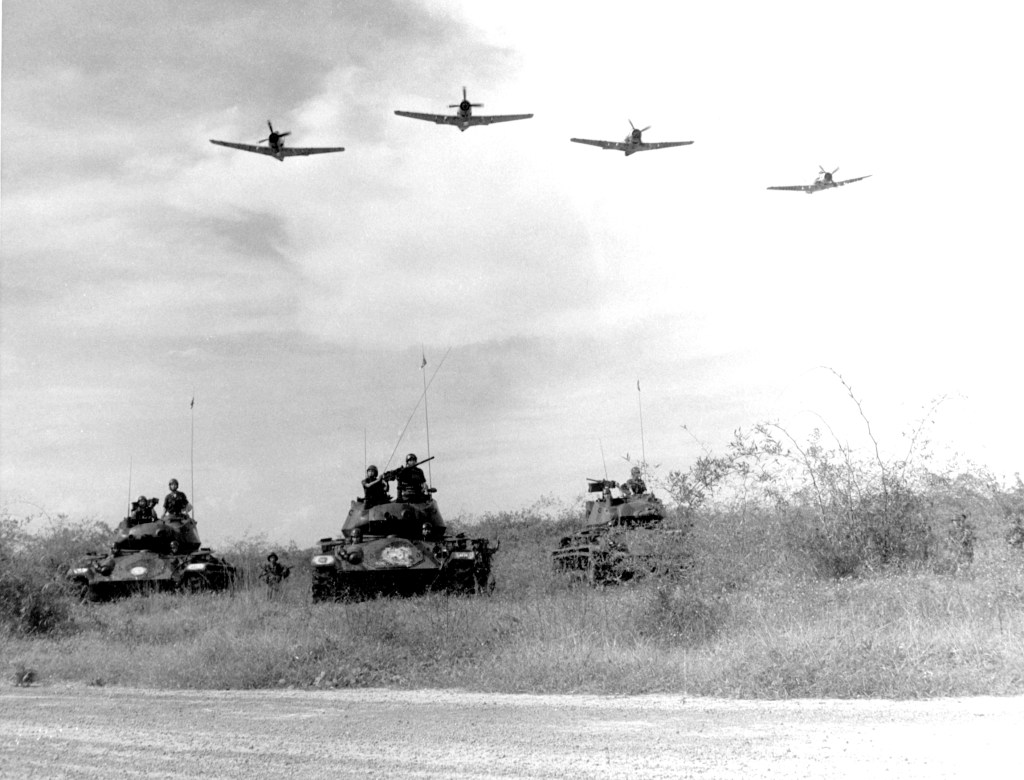
The battle marked one of ARVN’s clearest early-war victories and showed that South Vietnamese forces could fight and win without direct U.S. combat involvement. Like many other ARVN achievements, it was grossly underreported by Western media and historians — and remains widely unknown to both Americans and Vietnamese Americans alike.
2. Battle of Saigon (January 31 – February 7, 1968)
Who won: Republic of Vietnam & United States (Allied Victory)
Allied losses (ARVN, U.S.): Approx. 400–500 killed (est.)
Communist losses (NVA, VC): Over 10,000 killed (in Saigon and surrounding areas)
The Battle of Saigon was a central part of the 1968 Tet Offensive, in which communist forces launched surprise attacks across South Vietnam, including the capital.
In Saigon, Viet Cong and North Vietnamese units assaulted key sites — such as the U.S. Embassy, ARVN headquarters, Tan Son Nhut Airbase, and Cholon District — but were swiftly defeated or repelled within hours or days by ARVN and U.S. forces.
Despite being a decisive military defeat for the communists, the battle was grossly misrepresented by the media, giving rise to public doubt and erasing one of ARVN’s greatest battlefield victories from public memory.
3. Battle of Huế (January 31 – March 2, 1968)
Who won: Republic of Vietnam & United States (Allied Victory)
Allied losses (ARVN, U.S.): Approx. 250 U.S. killed, 400 ARVN killed
Communist losses (NVA, VC): Approx. 5,000 killed
The Battle of Huế was the longest and bloodiest urban battle of the Vietnam War, beginning on January 31, 1968, during the Tet Offensive. North Vietnamese and Viet Cong forces launched a massive surprise assault and quickly captured most of the city, including the ancient Citadel and key government buildings.
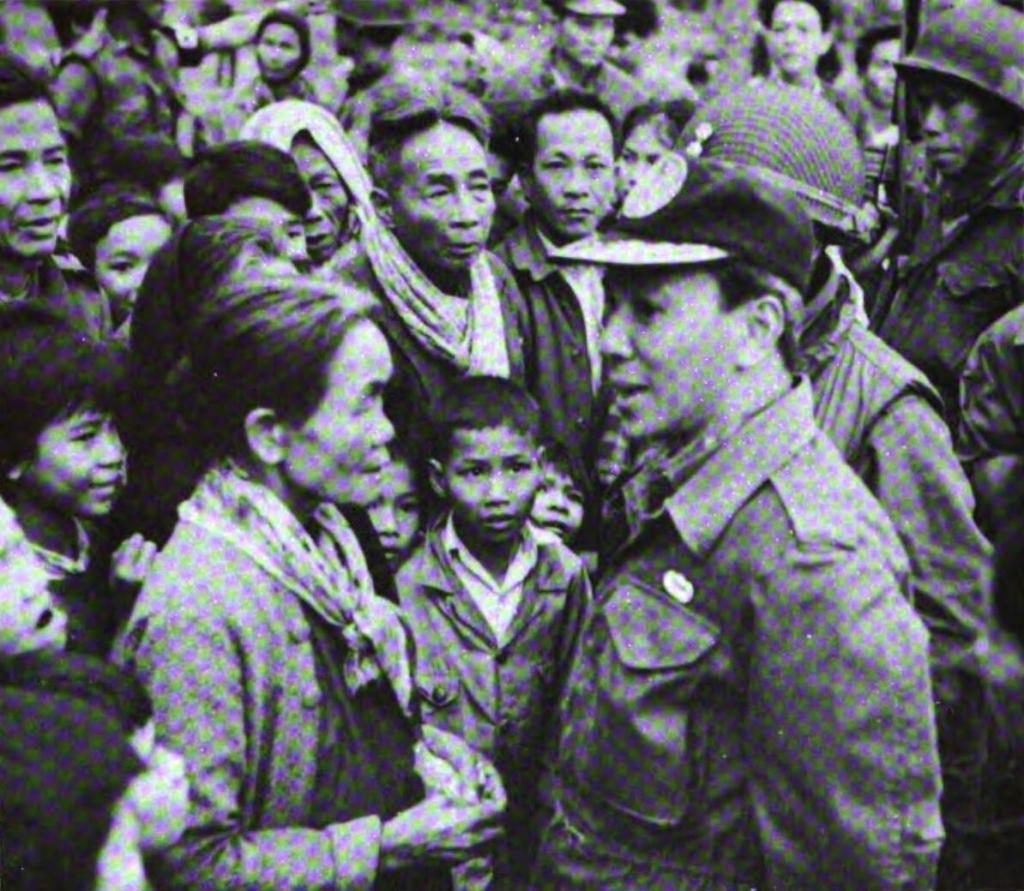
Over the next four weeks, U.S. Marines and ARVN Airborne and Ranger units fought block by block in brutal house-to-house combat to retake the city. After a month of intense fighting, allied forces reclaimed Huế — but not before the communists executed over 2,800 civilians in a mass purge.
Though a clear military victory for South Vietnam and the U.S., the battle’s ferocity and destruction were downplayed in later media, and the heroism of ARVN troops was largely erased from public memory.
4. Battle of An Lộc (April 6 – June 12, 1972)
Who won: Republic of Vietnam & United States (Allied Victory)
Allied losses (ARVN, U.S.): Approx. 2,300 ARVN killed
Communist losses (NVA, VC): Approx. 6,500 killed
The Battle of An Lộc was the largest engagement of the 1972 Easter Offensive and a defining ARVN victory. Outnumbered 3 to 1, 7,500 South Vietnamese defenders under General Lê Văn Hưng held the city against 21,000 communist troops and waves of tanks and artillery.
Despite massive shelling, human shield tactics, and three major assaults, the communists failed to take the city — thanks to fierce ARVN resistance and relentless U.S. and South Vietnamese air support. An Lộc proved the ARVN could win decisively when properly led and supported, and it remains one of South Vietnam’s proudest military triumphs.
5. Battle of Kontum (May – June 1972)
Who won: Republic of Vietnam & United States (Allied Victory)
Allied losses (ARVN, U.S.): Approx. 500 ARVN killed, ~2,000 wounded
Communist losses (NVA): Over 10,000 killed or wounded; dozens of tanks destroyed
The Battle of Kontum took place in South Vietnam’s Central Highlands from May to June 1972, during the communist Easter Offensive. The North Vietnamese launched a massive assault with tanks and tens of thousands of troops, aiming to seize Kontum and cut South Vietnam in half.
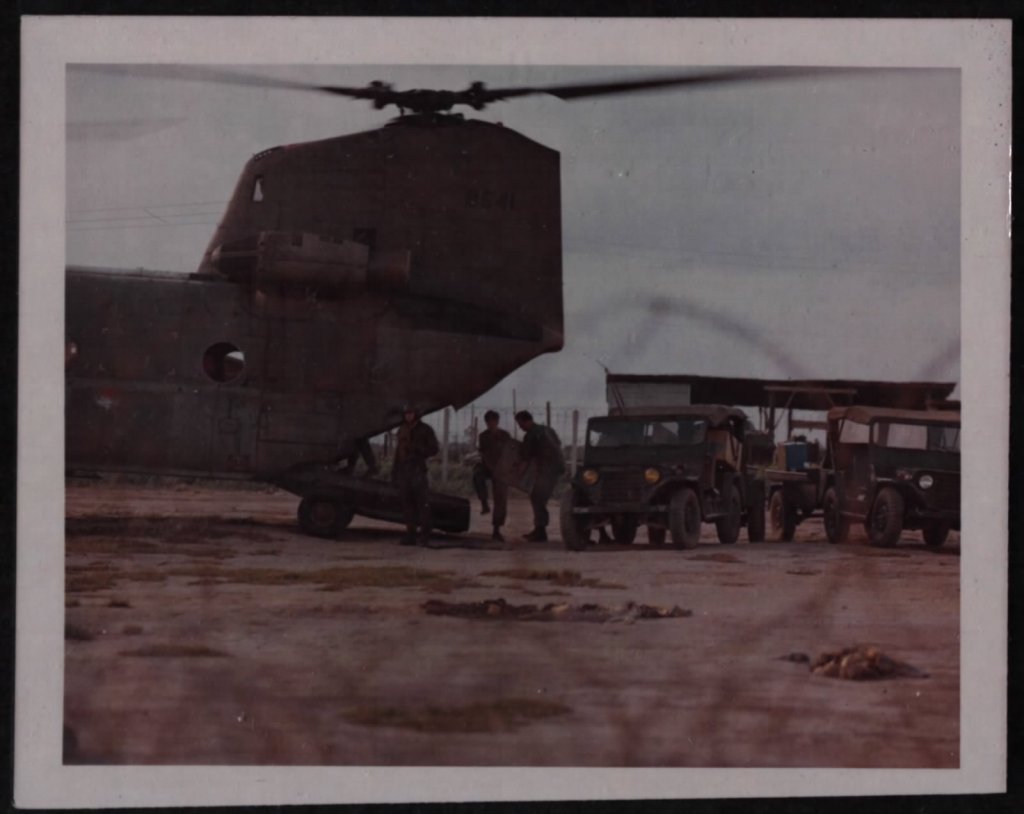
Despite being outnumbered, the ARVN — backed by intense U.S. air support and heroic ground resistance — successfully held the city, inflicting heavy losses on the North. This pivotal ARVN victory halted the communist advance in the Central Highlands and helped turn the tide of the Easter Offensive.
6. Battle of Quảng Trị (March 30 – September 16, 1972)
Who won: Republic of Vietnam & United States (Allied Victory)
Allied losses (ARVN, U.S.): Approx. 3,500 ARVN killed
Communist losses (NVA, VC): Estimated 8,000+ killed
The Battle of Quảng Trị was a major campaign in the 1972 Easter Offensive. Located in northern South Vietnam, Quảng Trị City was overrun by the North Vietnamese on May 1 after a fierce initial assault.
In a stunning counteroffensive, South Vietnamese Marines and Rangers — backed by intense U.S. air support — retook the city on September 16 after months of brutal urban and positional combat. The battle marked a major psychological and strategic victory for the Republic of Vietnam, proving the ARVN’s resilience in one of the war’s fiercest showdowns.
7. Battle of Xuân Lộc (April 9 – April 21, 1975)
Who won: Republic of Vietnam (Tactical Victory)
Allied losses (ARVN, U.S.): Estimated 2,000+ ARVN killed and heavy material losses
Communist losses (NVA, VC): Estimated 5,000+ killed
The Battle of Xuân Lộc was the final major battle of the Vietnam War, where the ARVN 18th Division, under Brig. General Lê Minh Đảo, achieved a hard-fought victory by successfully repelling the North Vietnamese 4th Corps near Saigon.
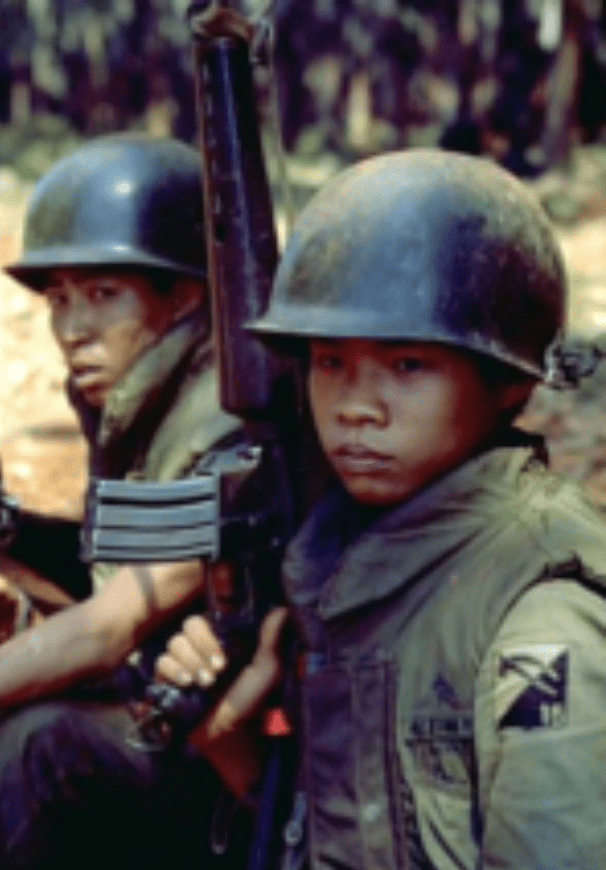
The South Vietnamese forces inflicted severe losses and demonstrated remarkable resilience, delaying the communist advance for nearly two weeks. However, despite this tactical success, the broader war was ultimately lost shortly after, as the 18th Division was ordered to stand down, Saigon fell, and South Vietnam ceased to exist.
It’s important to recognize that, much like a sports team that wins a game but later faces bankruptcy, the ARVN won the battle even though the war was lost soon after. This distinction honors the bravery and sacrifice of the soldiers who held the line when it mattered most — a moment of valor that should never be forgotten.
Patriots’ Day
And so, for anyone who wishes they knew more about our proud and inspirational history, I hope this is a good first step.
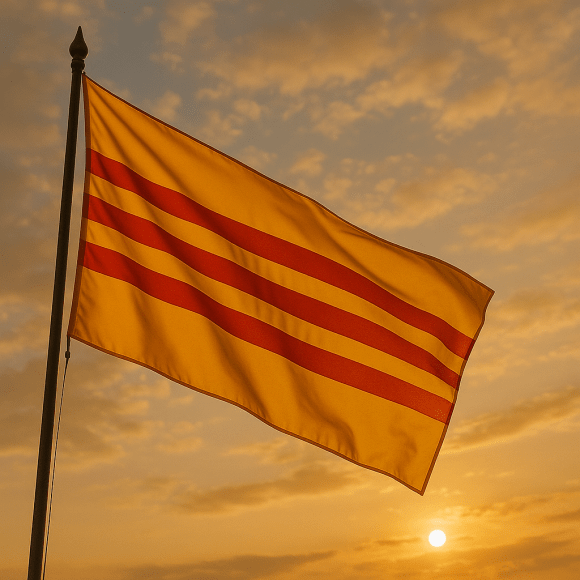
We have so much to be proud of — and in starting this Patriots’ Day tradition, we hope that freedom-loving Vietnamese around the world come to know it, too.
Sources & Further Reading
1. Battle of Gò Công (September 9, 1963)
- Major, Justin, “The Unknown War: Army of the Republic of Vietnam Combat Operations 1962-1963,” University of Southern Mississippi Theses, Spring 2020. https://aquila.usm.edu/cgi/viewcontent.cgi?article=1778&context=masters_theses
- New York Times, “Vietcong Battered by Vietnam Troops: Saigon’s Troops Batter Vietcong,” The New York Times, September 10, 1963. https://www.nytimes.com/1963/09/10/archives/vietcong-battered-by-vietnam-troops-saigons-troops-batter-vietcong.html
2. Battle of Saigon (January 31 – February 7, 1968)
- Freedom for Vietnam, “Patriots’ Day Preview: Looking Back at the Battle of Saigon (1968),” Freedom for Vietnam, July 3, 2025. https://freedomforvietnam.org/2025/07/03/patriots-day-preview-looking-back-at-the-battle-of-saigon-1968/
3. Battle of Huế (January 31 – March 2, 1968)
- Military.com, “8 Reasons Why the Battle of Hue Was So Pivotal in the Vietnam War,” Military.com, accessed July 8, 2025. https://www.military.com/history/8-reasons-why-battle-of-hue-was-so-pivotal-vietnam-war.html
- US Naval Institute, “The Battle for Hue City,” Proceedings, July 1999. https://www.usni.org/magazines/proceedings/1999/july/battle-hue-city
- Urban Warfare Project, “Urban Warfare Case Study #3: The Battle of Hue,” Modern War Institute at West Point, accessed July 8, 2025. https://mwi.westpoint.edu/urban-warfare-project-case-study-3-battle-of-hue/
4. Battle of An Lộc (April 6 – June 12, 1972)
- Freedom for Vietnam, “Southern Heroes: Lê Văn Hưng, the ARVN, and the Battle of An Lộc,” Freedom for Vietnam, March 24, 2025. https://freedomforvietnam.org/2025/03/24/legacy-post-southern-heroes-le-van-hung-the-arvn-and-the-battle-of-an-loc/
5. Battle of Kontum (May – June 1972)
- Battle of Kontum, “Introduction,” TheBattleofKontum.com, accessed July 8, 2025. https://www.thebattleofkontum.com/intro.html
- Charlie Company Vietnam, “Battle of Kontum,” CharlieCompany.org, accessed July 8, 2025. https://charliecompany.org/battles/battle-of-kontum/
- Vietnam War Commemoration, “Battle of Kontum,” VietnamWar50th.com, accessed July 8, 2025. https://www.vietnamwar50th.com/1972-1974_negotiations_and_passing_the_torch/Battle-of-Kontum/
- War Maps, “Battle of Kontum,” War-Maps.com, accessed July 8, 2025. https://war-maps.com/warmap/battles-of-the-vietnam-war/event/battle-of-kontum
6. Battle of Quảng Trị (March 30 – September 16, 1972)
- History.com, “South Vietnamese Forces Retake Quang Tri City,” History.com, accessed July 8, 2025. https://www.history.com/this-day-in-history/september-15/south-vietnamese-forces-retake-quang-tri-city
- Marine Corps University, “Vietnam Marines and the Defense of Quang Tri in 1972,” Marine Corps History, Summer 2015. https://www.usmcu.edu/Outreach/Marine-Corps-University-Press/MCH/Marine-Corps-History-Summer-2015/Vietnam-Marines-and-the-Defense-of-Quang-Tri-in-1972/
- Vietnam War Commemoration, “Battle of Quang Tri,” VietnamWar50th.com, accessed July 8, 2025. https://www.vietnamwar50th.com/1972-1974_negotiations_and_passing_the_torch/Battle-of-Quang-Tri/
7. Battle of Xuân Lộc (April 9 – April 21, 1975)
- Freedom for Vietnam, “Southern Heroes: Le Minh Dao, the 18th Division, and the Battle of Xuan Loc,” Freedom for Vietnam, April 30, 2012. https://freedomforvietnam.wordpress.com/2012/04/30/southern-heroes-le-minh-dao-the-18th-division-and-the-battle-of-xuan-loc/
- HistoryNet, “South Vietnam’s Thermopylae,” HistoryNet, February 25, 2020. https://www.historynet.com/south-vietnams-thermopylae/
- Vietnam War Commemoration, “Battle of Xuan Loc,” VietnamWar50th.com, accessed July 8, 2025. https://www.vietnamwar50th.com/1975_the_fall_of_saigon/Battle-of-Xuan-Loc/
 Freedom For Vietnam